
Trying a French restaurant for the first time can feel slightly intimidating. Menus often feature dishes that are familiar by name but less familiar in practice, leaving many diners wondering where to begin.
The good news is that traditional French cooking isn’t about complexity for the sake of it. At its heart, it’s built around well-prepared ingredients, regional recipes and dishes that have been enjoyed for generations. While every bistro and restaurant has its own interpretation, a handful of classics continue to define French dining, whether you’re eating in Paris or enjoying authentic French cuisine here in London.
Understanding what these dishes are, how they’re traditionally served and why they’ve become such enduring favourites can make your next meal feel less like a leap into the unknown and more like an opportunity to discover something new.
A Quick Guide To Ordering Classic French Food
If you’re visiting a French restaurant for the first time, start with dishes that have stood the test of time.
Recipes such as French onion soup, steak tartare, boeuf bourguignon and crème brûlée have remained popular because they showcase the qualities that define traditional French cooking: patience, balance and respect for ingredients.
Rather than trying to order something unfamiliar simply because it sounds adventurous, choosing a well-loved classic is often the best introduction to French cuisine.
French Onion Soup: Simple Ingredients, Remarkable Depth
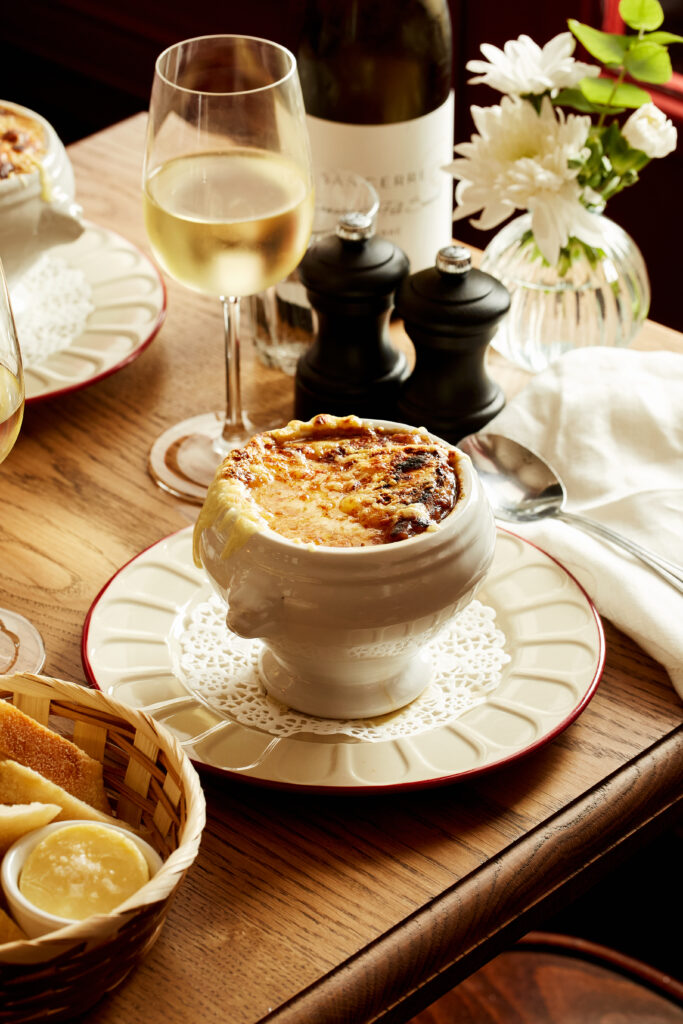
Few dishes represent traditional French cooking quite like French onion soup.
Originally created as an economical meal using onions, bread and stock, it has evolved into one of France’s best-known comfort foods. Slow-cooked onions develop their natural sweetness over time before being combined with rich stock and finished with toasted bread and bubbling melted cheese.
It’s a reminder that some of the most memorable dishes don’t rely on expensive ingredients but on careful preparation.
Served as a starter, it’s a warming introduction to a meal and one that perfectly reflects the French philosophy of allowing simple ingredients to speak for themselves.
Steak Tartare: One Of France's Most Misunderstood Classics
For many first-time diners, steak tartare is the dish that prompts the most questions.
Prepared using finely chopped raw beef, it’s traditionally seasoned with ingredients such as capers, shallots, Dijon mustard and herbs before being served with crisp fries or salad.
Its reputation often makes it sound more unusual than it really is.
The quality of the beef is what matters most, while the seasoning adds freshness and balance rather than overpowering the flavour. For those willing to try something different, steak tartare offers a completely different perspective on French cuisine, showcasing confidence in ingredients rather than heavy cooking techniques.
It’s one of the dishes that demonstrates why French dining has always placed such importance on sourcing and preparation.
Boeuf Bourguignon: A Recipe That Rewards Patience
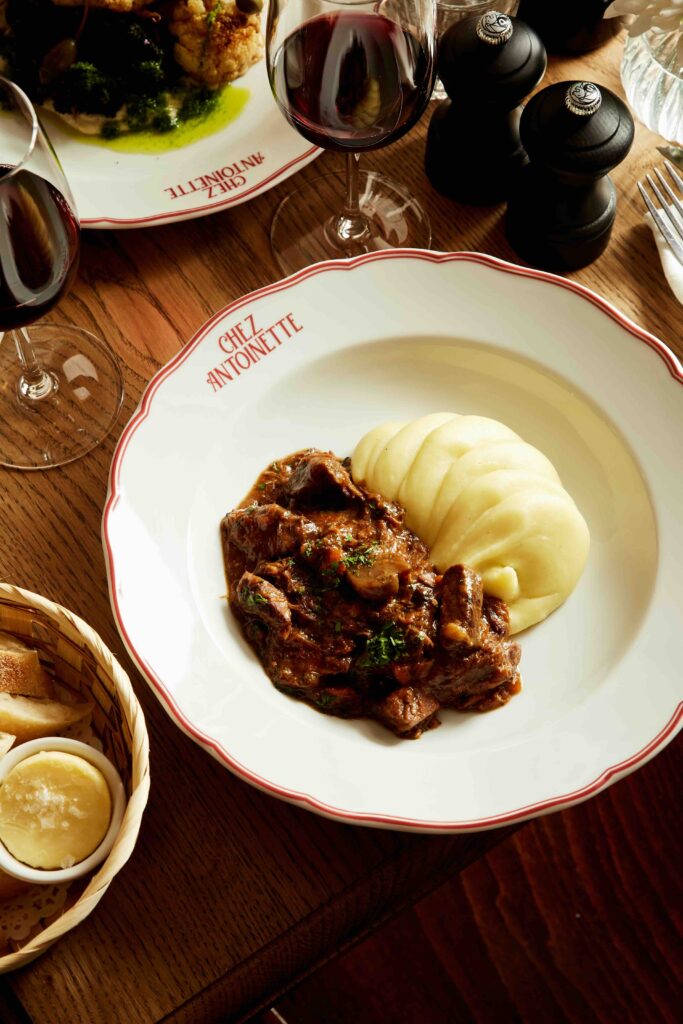
If one dish captures the idea of slow cooking, it is boeuf bourguignon.
Originating in Burgundy, the recipe gently braises beef in red wine alongside vegetables and aromatic herbs until the meat becomes exceptionally tender.
Like many traditional French recipes, its appeal lies in taking time rather than adding complexity.
The result is rich, comforting and deeply satisfying, making it a popular choice throughout the cooler months while remaining a year-round favourite for those looking to experience one of France’s best-known regional dishes.
Croque Monsieur: More Than A Toasted Sandwich
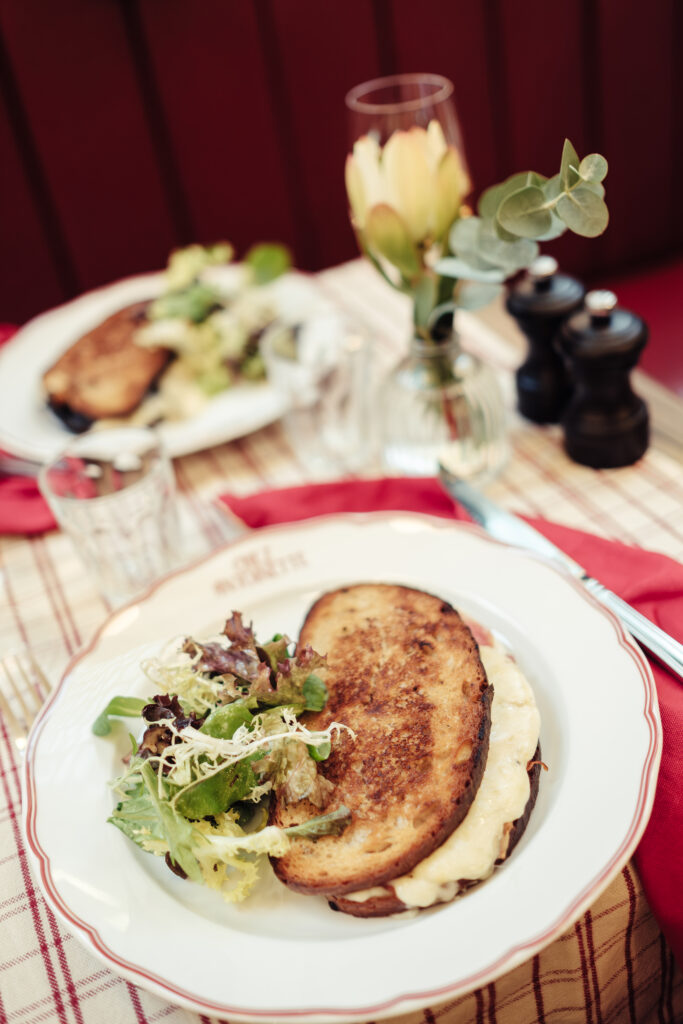
At first glance, a croque-monsieur appears deceptively simple.
Made with ham, cheese and béchamel sauce before being baked until golden, it’s a staple of French cafés and bistros, enjoyed as a leisurely lunch rather than a quick snack.
Its popularity comes from its versatility.
Whether served alongside a fresh salad or enjoyed with a bowl of soup, it represents the relaxed café culture that remains such an important part of everyday life in France.
Sometimes the simplest dishes become classics for exactly that reason.
Crème Brûlée: The Perfect Ending
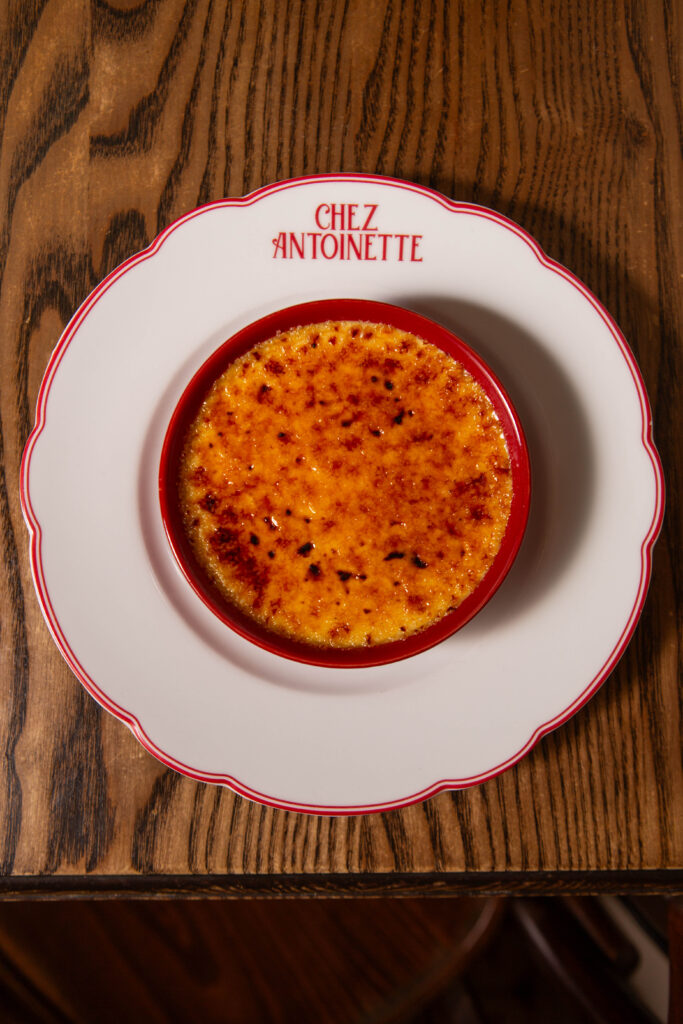
Few desserts are as recognisable as crème brûlée.
Beneath its crisp caramelised sugar sits a rich vanilla custard that is deliberately smooth and understated. The contrast between the crack of the caramel topping and the creamy filling has made it one of the most enduring desserts in French cooking.
It also reflects an important characteristic of many French meals.
Dessert is rarely about excess. Instead, it’s intended to provide a balanced and satisfying conclusion to the meal rather than overshadow everything that came before.
Discovering French Classics In London
One of the reasons these dishes have travelled so successfully beyond France is their timeless appeal.
They don’t rely on changing food trends or elaborate presentation. Instead, they celebrate traditional techniques and recipes that have remained popular for generations.
At Chez Antoinette Covent Garden and Chez Antoinette Victoria, many of these classics continue to sit alongside seasonal specials inspired by French regional cooking. Rather than recreating trends, the menus focus on dishes that capture the warmth and generosity of a traditional French bistro, while allowing fresh, seasonal ingredients to shape the experience throughout the year.
If you’re unsure what to order, don’t be afraid to ask for recommendations. French dining has never been about knowing everything on the menu. It’s about discovering new flavours, enjoying good conversation and taking time to appreciate the meal in front of you.
Choosing The Right Dish For The Occasion
There isn’t a single “best” choice when ordering French food.
Instead, think about the experience you’re looking for.
If you’re meeting friends for lunch, a croque-monsieur or French onion soup offers something comforting without feeling too heavy.
For an evening meal, slower-cooked dishes such as boeuf bourguignon create a more leisurely dining experience, while steak tartare appeals to diners looking to try one of France’s most iconic specialities.
Finishing with crème brûlée is a classic choice for those wanting to experience a traditional three-course French meal from beginning to end.
Like much of French cooking, the enjoyment comes not from rushing between courses but from allowing each dish to be appreciated in its own time.
Frequently Asked Questions About Classic French Dishes
What Is The Most Popular French Dish?
There isn’t a single answer, but French onion soup, boeuf bourguignon, steak tartare, croque monsieur and crème brûlée are among the best-known dishes served in French restaurants around the world.
What Should I Order If It's My First Visit To A French Restaurant?
Many first-time diners choose French onion soup followed by boeuf bourguignon or a croque monsieur, finishing with crème brûlée. These dishes offer a great introduction to traditional French cooking.
Is Steak Tartare Always Served Raw?
Yes. Steak tartare is traditionally prepared using high-quality raw beef that is carefully seasoned and served fresh. If you prefer cooked dishes, there are many other classic French options to choose from.
Are Traditional French Dishes Available All Year Round?
Many classics remain on menus throughout the year, while others may appear as seasonal specials depending on ingredients and the restaurant’s approach to French cooking.
Discover French Classics For Yourself
Understanding the stories behind classic French dishes makes ordering with confidence much easier, but the best way to appreciate them is to experience them for yourself.
Whether you’re discovering French cuisine for the first time or returning to old favourites, book a table at Chez Antoinette and explore a menu inspired by authentic French cooking, seasonal ingredients and the timeless pleasure of sharing good food around the table.