
Each November, wine bars, bistros and dining tables across France mark the arrival of Beaujolais Nouveau.
The tradition is simple. The new wine is released on the third Thursday of November, which falls on 19 November in 2026. The occasion is less about formality and more about the pleasure of sharing something seasonal together.
For anyone curious about Beaujolais Nouveau in London, the appeal lies in that sense of occasion. It is a reminder that French wine culture is often as much about timing, atmosphere and conversation as it is about what is in the glass.
At Chez Antoinette, that idea feels naturally at home. The restaurants in Covent Garden and Victoria are built around relaxed French hospitality, where wine sits alongside food, conversation and the wider rhythm of an evening in London.
What Is Beaujolais Nouveau And Why Is It Released In November?
Beaujolais Nouveau is a young wine made shortly after the grape harvest in the Beaujolais region of France.
Its annual release takes place on the third Thursday of November. According to the official Beaujolais wine body, that date became formally established in 1985 and remains one of the most recognisable moments in the French wine calendar.
Unlike wines intended to develop over years, Beaujolais Nouveau is made to be enjoyed while it is fresh, lively and youthful.
That is part of its charm.
The tradition marks the arrival of the new vintage and gives people a reason to gather at the beginning of winter. In France and beyond, the release has become associated with conviviality rather than ceremony.
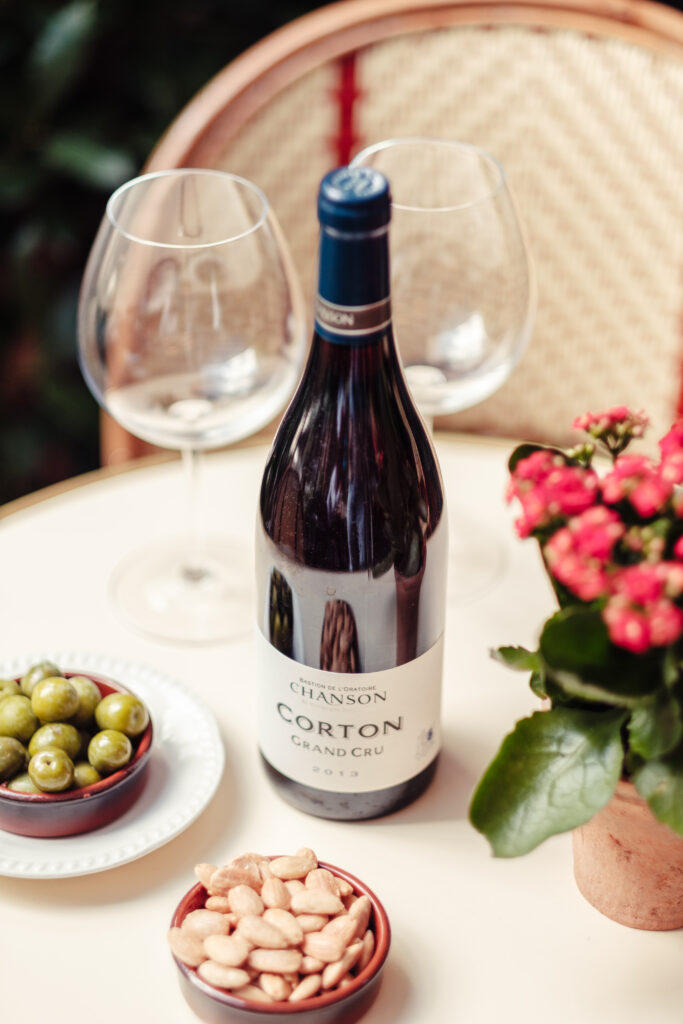
Why Does Beaujolais Nouveau Feel Different From A Traditional Wine Occasion?
Much of the appeal comes from its lack of formality.
Wine can sometimes feel intimidating, particularly when conversations become dominated by vintages, regions or complicated tasting language.
Beaujolais Nouveau sits at the opposite end of that spectrum.
It is intended to be approachable. The focus is on enjoying the new wine while it is young and sharing the moment with other people.
That makes the occasion feel closer to a seasonal ritual than a formal tasting.
In practical terms, it may simply mean meeting a friend after work, ordering wine with dinner or gathering around a table as November evenings become colder.
The wine matters, but the social experience matters just as much.
Why The Third Thursday Of November Matters In French Wine Culture
Seasonality is deeply connected to French food and drink.
Menus change according to what is available, certain dishes return when the weather changes and regional traditions remain tied to particular moments in the year.
Beaujolais Nouveau follows that same rhythm.
The official Beaujolais organisation explains that the wine is released on the third Thursday of November and that the tradition has developed into a worldwide celebration of the new vintage.
That timing is important because it gives the wine a sense of immediacy.
It belongs to a particular week, a particular season and a particular mood.
In that sense, it reflects something broader about French dining culture. Food and wine are often experienced in relation to time and place rather than as fixed products available in exactly the same way throughout the year.
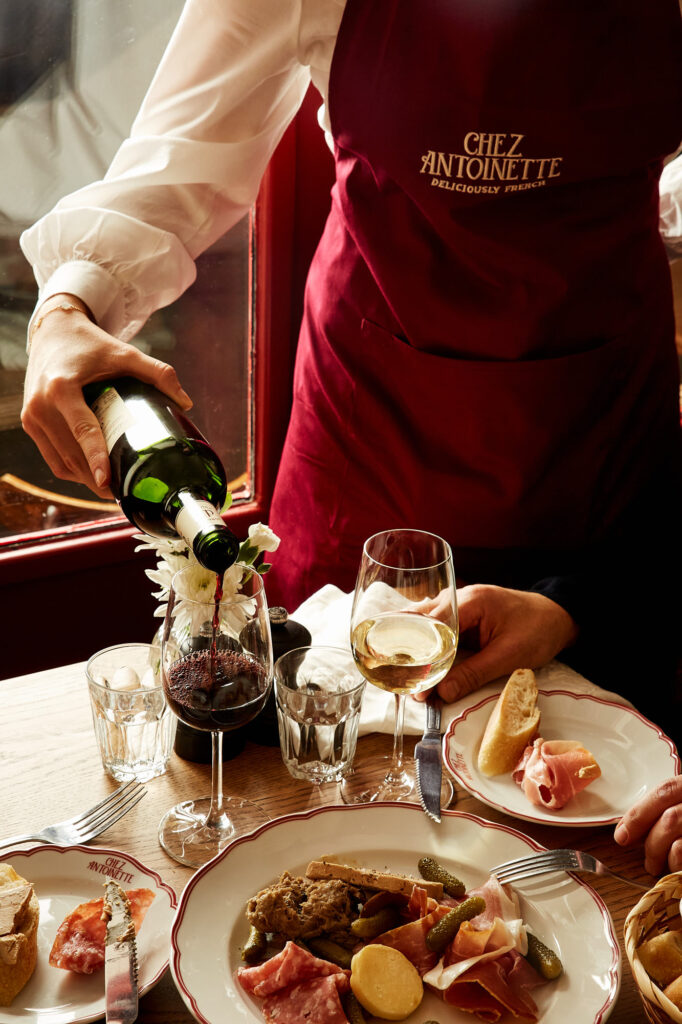
What Does Beaujolais Nouveau Usually Taste Like?
Beaujolais Nouveau is generally known for being light, fresh and fruit-forward.
The official regional guidance describes the style as tender, fresh and fruity, with production designed to preserve its immediate, approachable character.
That makes it quite different from heavier red wines associated with longer ageing.
It is usually enjoyed for its energy rather than its complexity.
For people who do not regularly drink red wine, that can make Beaujolais Nouveau a particularly accessible way to explore French wine culture without feeling that they need specialist knowledge first.
There is no requirement to analyse every aroma or compare vintages.
The idea is simply to enjoy it.
How Does Beaujolais Nouveau Fit Into A French Meal?
Wine in French dining is rarely treated as a separate event.
It tends to sit alongside the meal rather than dominate it.
Beaujolais Nouveau works particularly well in that context because its lighter style suits relaxed dining and shared food.
Rather than approaching it as something to study, it can be enjoyed as part of a broader evening with simple dishes, conversation and time at the table.
That approach mirrors the French apéritif tradition, where a drink often marks the transition between the day and the evening.
At Chez Antoinette, both locations already place French wine and apéritifs within that wider dining experience. Covent Garden currently offers French wines including Sancerre and Côtes du Rhône, while Victoria pairs French apéritifs with items such as pâté, Camembert and rillettes.
A November Evening In Covent Garden
Covent Garden feels particularly suited to this kind of seasonal ritual.
By November, the area has moved away from the longer evenings of summer and towards a more atmospheric winter rhythm.
The Piazza becomes busier as theatre audiences gather, while the streets surrounding the Royal Opera House begin to feel distinctly different after dark.
For those coming from Soho or Chinatown, Covent Garden is a natural continuation of the evening. Leicester Square remains nearby, while the Strand and Trafalgar Square make it easy to build dinner into a wider West End plan.
Chez Antoinette Covent Garden offers a quieter French setting within that movement.
A glass of wine before theatre, dinner after exploring the surrounding streets or an evening spent lingering over food can all fit naturally into the atmosphere of November.
A Quieter French Wine Evening In Victoria
Victoria offers a different setting.
Rather than the constant movement of the West End, evenings often feel calmer once the working day begins to wind down.
That makes it particularly well suited to a slower glass of wine after work or before dinner.
Chez Antoinette Victoria sits just moments from Victoria Station and close to St James’s Park, Buckingham Palace and Westminster. The Victoria Palace Theatre and Apollo Victoria Theatre are also nearby, making wine and dinner easy to combine with Hamilton or Wicked.
For professionals, commuters and theatre-goers, there is no need to travel elsewhere for the evening to feel complete.
A walk from Westminster Abbey or Big Ben, an apéritif before theatre or dinner after work can all become part of the same route.
Do You Need To Know About Wine To Enjoy Beaujolais Nouveau?
No.
That is one of the reasons the tradition has remained accessible.
Beaujolais Nouveau is not built around specialist knowledge or collecting. It is a young wine associated with immediacy, sociability and the new harvest.
A useful way to approach it is simply to think about the occasion.
Are you having a drink before dinner? Sharing food with friends? Meeting someone after work? Beginning an evening before the theatre?
That context matters more than knowing technical terminology.
French wine culture is often at its most enjoyable when the bottle supports the moment rather than becoming the entire subject of it.
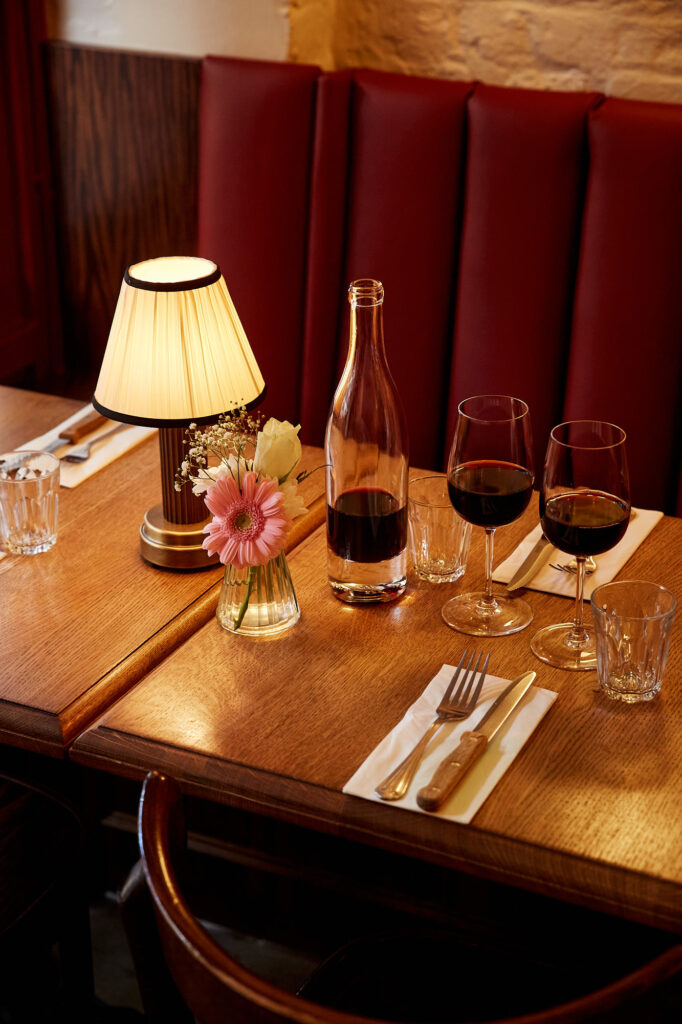
Beaujolais Nouveau Or Another French Red Wine: What Is The Difference?
The main distinction is age and purpose.
Beaujolais Nouveau is released only weeks after harvest and is intended to be enjoyed young. Other French red wines may be made with more structure and designed to develop for considerably longer.
That does not make one better than the other.
They simply suit different moments.
A fuller wine may make sense for a longer dinner or certain dishes. Beaujolais Nouveau, by contrast, is closely associated with freshness and the social ritual of its November release.
The comparison is useful because it removes some of the pressure around wine choice.
Different bottles exist for different occasions.
Why Seasonal Wine Traditions Still Matter
It would be easy to see Beaujolais Nouveau as simply another date in the calendar.
Its lasting appeal suggests otherwise.
Food and drink traditions give the year a rhythm. They bring certain flavours and habits back into focus for a short period and create reasons for people to gather.
That is particularly valuable in hospitality, where seasonality can otherwise become little more than a menu change.
Beaujolais Nouveau has a stronger cultural identity because the timing itself is part of the tradition.
The wine arrives, people share it and then the year moves on.
That sense of occasion is difficult to reproduce with something available in exactly the same way every month.
Enjoy November At A More French Pace
Beaujolais Nouveau is ultimately less about making wine complicated and more about giving November a moment of its own.
The tradition brings together seasonality, French culture and the simple pleasure of sharing a drink with other people.
That can take many forms in London.
It might mean wine before a performance in Covent Garden, dinner after walking through Soho and Chinatown, an after-work drink in Victoria or a quieter evening before Hamilton or Wicked.
Chez Antoinette’s two locations offer different surroundings, but the same underlying idea remains: food and wine are best enjoyed when there is enough time to appreciate the company as well.
If November brings you into Covent Garden or Victoria, reserve a table at Chez Antoinette and enjoy a slower French evening in the city.