
For many people, changing menus simply reflect the time of year. As summer turns to autumn or winter gives way to spring, different dishes appear while others quietly disappear.
In French cooking, however, seasonality runs much deeper than that.
Long before the idea of “seasonal dining” became fashionable, French kitchens were built around the ingredients available at that particular moment. Rather than trying to serve the same recipes throughout the year, chefs adapted their cooking to reflect the changing landscape around them. The result wasn’t simply fresher food, but menus that evolved naturally with the seasons.
It’s a philosophy that continues to shape Parisian-inspired French dining today, reminding us that some of the best meals begin not with a recipe, but with the ingredients themselves.
Cooking With The Seasons Is Part Of French Culinary Tradition
One of the defining characteristics of French cuisine is its close relationship with the seasons.
Across France, recipes have traditionally developed around what local producers could harvest, catch or prepare at different points in the year. Spring brings asparagus, peas and fresh herbs. Summer welcomes tomatoes, courgettes and berries. Autumn introduces mushrooms, squash and game, while winter turns towards slower cooking, root vegetables and richer sauces.
Rather than viewing these changes as limitations, French cooking embraces them.
The menu changes because nature changes.
This approach has shaped generations of home cooking, neighbourhood bistros and regional restaurants alike, helping preserve recipes that feel connected to both place and season.
Why Seasonal Ingredients Often Need Less Intervention
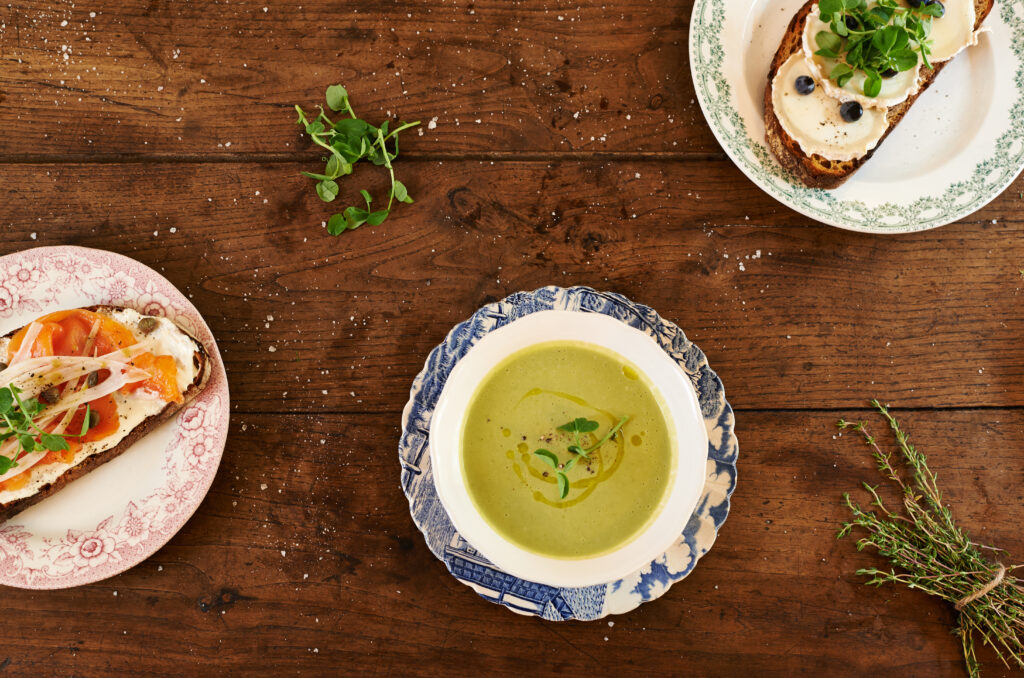
Perhaps one of the greatest advantages of seasonal produce is that it rarely needs to work hard to impress.
A perfectly ripe tomato in late summer asks very little of the cook beyond good olive oil and careful seasoning. Fresh asparagus in spring benefits from simple preparation that allows its natural flavour to remain the focus. Even hearty autumn vegetables often rely more on patience than complexity.
French cooking has long recognised this principle.
Rather than adding unnecessary ingredients, many traditional recipes focus on bringing out the character of what is already there.
It’s one of the reasons French cuisine is often described as elegant rather than elaborate.
Menus Should Reflect The Time Of Year, Not Fight Against It
One of the pleasures of returning to a favourite restaurant is discovering something new.
Seasonal menus encourage exactly that.
Instead of expecting the same dishes throughout the year, diners are invited to experience ingredients at their best. That might mean lighter plates during warmer months, richer comfort dishes as the evenings become cooler or desserts inspired by fruit that’s only available for a short period.
For chefs, this also encourages creativity.
Rather than relying on a fixed selection of dishes, each season presents an opportunity to reinterpret French classics while remaining true to their origins.
The result feels less repetitive and far more connected to the rhythm of the year.
Seasonality Is About More Than Individual Dishes
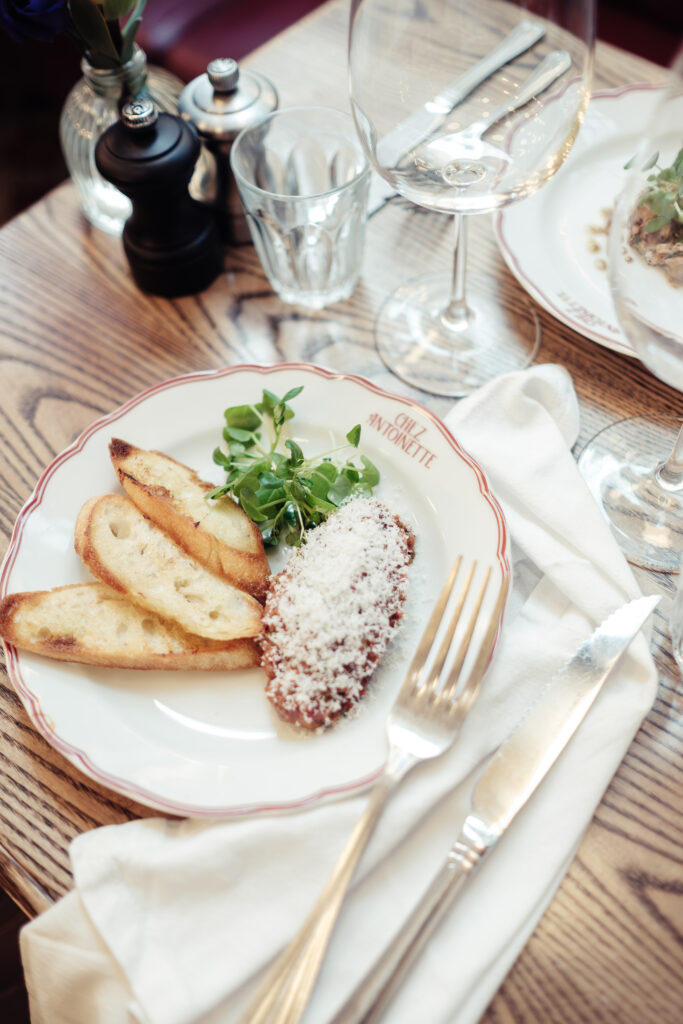
It’s easy to think of seasonal cooking only in terms of ingredients, but the experience extends much further.
The atmosphere changes.
The pace of the meal changes.
Even the wines people naturally reach for begin to evolve.
Long summer lunches often feel suited to lighter wines, crisp salads and meals enjoyed outdoors, while the arrival of autumn encourages slower evenings, deeper flavours and dishes designed to be shared around the table.
The menu reflects these subtle shifts without needing to announce them.
Seasonality becomes part of the overall dining experience rather than simply a list of new ingredients.
Bringing Seasonal French Cooking To London
Although French culinary traditions are deeply rooted in regional produce, the same philosophy continues to inspire restaurants well beyond France itself.
At Chez Antoinette, menus are shaped by recipes rooted in French tradition while allowing seasonal ingredients to influence the dishes available throughout the year. Rather than treating the menu as something fixed, it evolves naturally as different produce comes into season, creating opportunities to rediscover familiar favourites alongside new combinations.
Whether dining at Covent Garden before an evening in the West End or enjoying a relaxed meal at Victoria after exploring Westminster, that connection to seasonality helps ensure each visit feels a little different from the last.
It’s a subtle detail, but one that reflects one of the most enduring principles of French cooking: respect the ingredients first, and let the season guide everything else.
Why Seasonal Cooking Continues To Matter
At a time when almost any ingredient can be found throughout the year, it would be easy to assume that seasonality no longer matters.
Yet its importance has arguably grown.
Cooking with the seasons encourages variety, supports a closer connection to produce and reminds us that memorable meals don’t need endless choice. Instead, they rely on understanding when ingredients are naturally at their best and allowing them to take centre stage.
It’s an approach that has shaped French cuisine for generations and one that continues to influence how authentic French restaurants think about their menus today.
Frequently Asked Questions
What Is Seasonal French Cooking?
Seasonal French cooking is the practice of preparing dishes around ingredients that are naturally at their best during a particular time of year. Rather than following a fixed menu, recipes evolve alongside the seasons.
Why Do French Menus Change Throughout The Year?
Traditional French cooking has always adapted to seasonal produce. Changing menus allow chefs to use ingredients when they are freshest while introducing new dishes that reflect the time of year.
Does Seasonal Dining Mean The Menu Changes Completely?
Not necessarily. Many classic French dishes remain throughout the year, while seasonal specials and ingredients are introduced alongside them to reflect changing produce.
Why Is Seasonality So Important In French Cuisine?
French cooking has historically been closely connected to regional agriculture and local markets. Seasonal ingredients are valued because they often offer better flavour and naturally inspire different styles of cooking throughout the year.
Discover French Cooking Through The Seasons
One of the pleasures of French dining is knowing that every season brings something different to the table.
Rather than expecting the same experience every time, changing ingredients encourage new discoveries while remaining rooted in the traditions that have shaped French cooking for generations.
If you’d like to experience how the seasons influence classic bistro cooking, explore the latest menus at Chez Antoinette and discover how each visit offers something subtly different.